Keiji Nakazawa
¿Quién es Keiji Nakazawa?
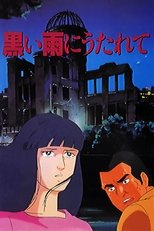
Keiji became an artist in Tokyo, publishing his first work in 1963, his first creations being boys' adventure stories such as "Spark One" and "Space Giraffe". But in 1966 he rushed home for his mother's funeral and was angered by the fact that there were so few bone fragments left of his mother's cremated remains. When he had dug his father and siblings out of the ruins, their skulls were in tact, so he felt that in his mother's case, the bomb had deprived her of even her bones, after surviving 21 years on. He vowed never to endure wars and atomic bombs, returned to Tokyo and risked pariah status by openly discussing his experiences of the bomb and then writing of them, with the first of his "Black" series, "Beneath The Black Rain".
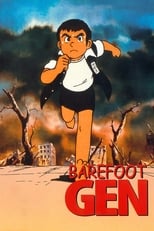
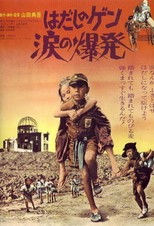
In 1972 the boys' magazine "Shonen Jump" began running stories about the lives of manga artists, Keiji used it as a platform to publish "I Saw It", an account of Hiroshima, which eventually formed the opening chapters of his ten-volume series "Hadashi no Gen" (aka Barefoot Gen). It was published at the height of the cold war and shortly after student demonstrations over Japan's "Security Treaty" with the US. Large publishers had previously refused to publish it out of fear of finding themselves on CIA blacklists. The family saga was not completed until 1987.
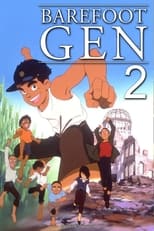
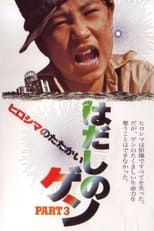
Later volumes (two of which became the basis for Barefoot Gen 2 (1986) detail the attempts of the survivors to stay alive in the ruins and were told in a cartoon-ish style that was popular in comics in the 1970s. A group of Americans including Jared Cook and Frederik L. Schodt acquired copies of Barefoot Gen and began "Project Gen". The group was formed by a group of students from Japan, USA and Russian that sought to translate the manga series into several languages and distribute them worldwide as an attempt to spread an anti war/nuclear weapons message. The story was also adapted into live action films (the first of which won Best Screenplay at the Czech Film Festival in 1977) and two animated versions. Keiji is credited as screenwriter for the 1st anime, but had no direct involvement in the 2nd.
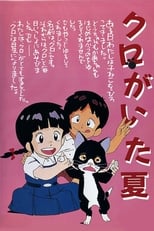
Keiji went on to write many more manga, including some more that involved the Japanese experience surrounding the second world war, such as "Okonomi Ha-chan" which was turned into a live action movie (Okonomi Hatchan (1999)), with Keiji writing and directing.
Trabajos destacados

Géneros más habituales en las películas de Keiji Nakazawa
Series
Sin informaciónCompañeros de trabajo recientes de Keiji Nakazawa
Las imágenes y retratos de actores y actrices mostrados en este sitio web son obtenidos de la base de datos pública de The Movie Database (TMDb), utilizada bajo los términos y condiciones de dicha plataforma. En caso de que alguna imagen o fotografía sea incorrecta, ofensiva, o pueda infringir derechos de imagen o copyright, puede ser editada o eliminada directamente en TMDb. Esto provocará su eliminación automática en este sitio web. Adicionalmente, si usted desea solicitar la eliminación de una imagen directamente en nuestro sitio web, puede utilizar el formulario de contacto ubicado al pie de la página. Atenderemos su solicitud de manera expedita y tomaremos las medidas necesarias para garantizar el cumplimiento de los derechos aplicables.
The images and portraits of actors and actresses displayed on this website are sourced from the public database The Movie Database (TMDb), used in accordance with its terms and conditions. If any image or photograph is incorrect, offensive, or may infringe image rights or copyright, it can be edited or removed directly on TMDb. This will automatically result in its removal from this website. Additionally, if you wish to request the removal of an image directly from our website, you may use the contact form located at the bottom of the page. We will promptly address your request and take the necessary measures to ensure compliance with applicable rights.