
 Trailer
 ?
? Disponibilidad
Sinopsis
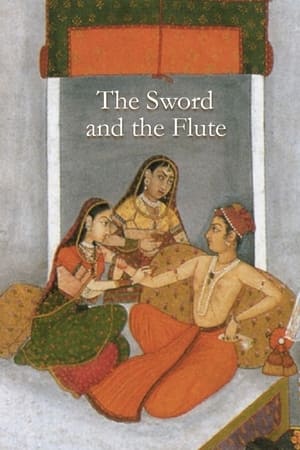
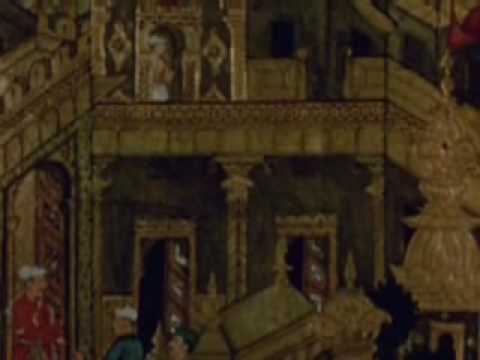
Visual images consist entirely of Indian miniature paintings, while an off-screen narrator traces the rise of this art form within the courts of Akbar (1542-1605), who united what is now India and Pakistan, and his son Jahangir (1569-1627). Two schools of the miniature paintings, done by anonymous artists, flourished after Akbar established unity and peace across what had been many smaller states: the Moghul (Islamic) school and the Rajput (Hindu) school. The Moghul paintings record the events of the court, while the Rajput school connects physical beauty and, in particular, the longing of women to the transcendent values of the spirit.
Dirigida por James Ivory 24min 1959-01-01
 ?
?
 5,8
5,8  5,3
5,3 Sinopsis
Visual images consist entirely of Indian miniature paintings, while an off-screen narrator traces the rise of this art form within the courts of Akbar (1542-1605), who united what is now India and Pakistan, and his son Jahangir (1569-1627). Two schools of the miniature paintings, done by anonymous artists, flourished after Akbar established unity and peace across what had been many smaller states: the Moghul (Islamic) school and the Rajput (Hindu) school. The Moghul paintings record the events of the court, while the Rajput school connects physical beauty and, in particular, the longing of women to the transcendent values of the spirit.
Ficha técnica:
- Título original: The Sword and the Flute
- Director: James Ivory
- Duración: 24 minutos
- Trailer: Ver trailer
- Estado: Estrenada
- Año: 1959
- Fecha Estreno: 1959-01-01
- Género: Documental
- Idioma original: Inglés
- Estudio: Merchant Ivory Productions
- Presupuesto: s/d
- Recaudación: s/d
- País producción:
Trailers
The Sword and the Flute1
Comparte los secretos, anecdotas o curiosidades que conozcas sobre esta película.
Todavía no hay curiosidades para esta película.
¡Sé el primero en compartir alguna información interesante!
 Críticos Prestigio
 Críticas recientes
Películas Similares
Naqoyqatsi

The Class of ‘92


Night Will Fall







The Meerkats





56 Up
McQueen

Champs



 WhatsApp
 Telegram